

 Rob:
Rob:
Tell me how you got started in photography and how you ended up in New York.
Rainer:
I came to New York over 30 years ago. I started out on my own over 25 years ago as a portrait photographer.
I’m German. I grew up in Düsseldorf, which is one of the centers of advertising and photography within Germany. There are quite a few advertising agencies, and there are very good photographers in Düsseldorf. It's also the home of the Kunstakademie, which is extremely well known — the Bechers were professors there.
I came to New York — I sold everything I had. My car, whatever. That's how I came to New York. I was lucky. I started working at a studio that was one of the really good rental houses at the time. Patrick Demarchelier was working out of there. So was Annie Leibovitz.
I started working for Albert Watson at the time when he came out with the Cyclops book, which was designed by David Carson. It was such a big deal at the time. On the MTA — the subway advertising was kind of crummy. It was all these tiny billboards for, like, Dr. Zizmor. New Yorkers would know what I’m talking about. Albert got the first push for them to move away from that. He had these pictures from the Cyclops book all over the subways — entire subway cars were covered in his pictures. That was incredible, and it happened while I was working with him. He had his own printer, and I would help the printer.
Rob:
What an experience.
Rainer:
It was. I was a kid.
Rob:
I took a workshop with Albert years ago. I come from a world where everybody starts with a daylight studio or a big softbox, and he always starts in darkness. He reconfigured the way I thought about light.
Rainer:
Yeah — his studio was in the basement, so there was no daylight at all.
 Rob:
Rob:
Ok, and then you went out on your own. How did you go from shooting portraits to shooting tabletop?
Rainer:
I’m all over the place. I actually pared down the categories on the top of my website—it used to include portraits. I'd call myself a tabletop guy now, even though I have a job coming up next week for a beauty brand where I'm shooting models again.
The tabletop work really started when I got MAC Cosmetics as a client. I had them for about five years, shooting lipsticks and whatever they sell — all these tiny items. I had the biggest set you can imagine. I built black-out tents in my studio because the studio was painted white, and you don't want all that reflecting into your product. So I built a 12x12-foot frame on roller stands and high boys, with black duvetyne on top and on the sides — basically a big black cube. I'd set my lights up inside it to shoot these tiny items. Kind of crazy. Maybe now I'd go about it differently, but that was my solution at the time.
That got me really into still life, tabletop, bird's eye — anything and everything.
 Rainer:
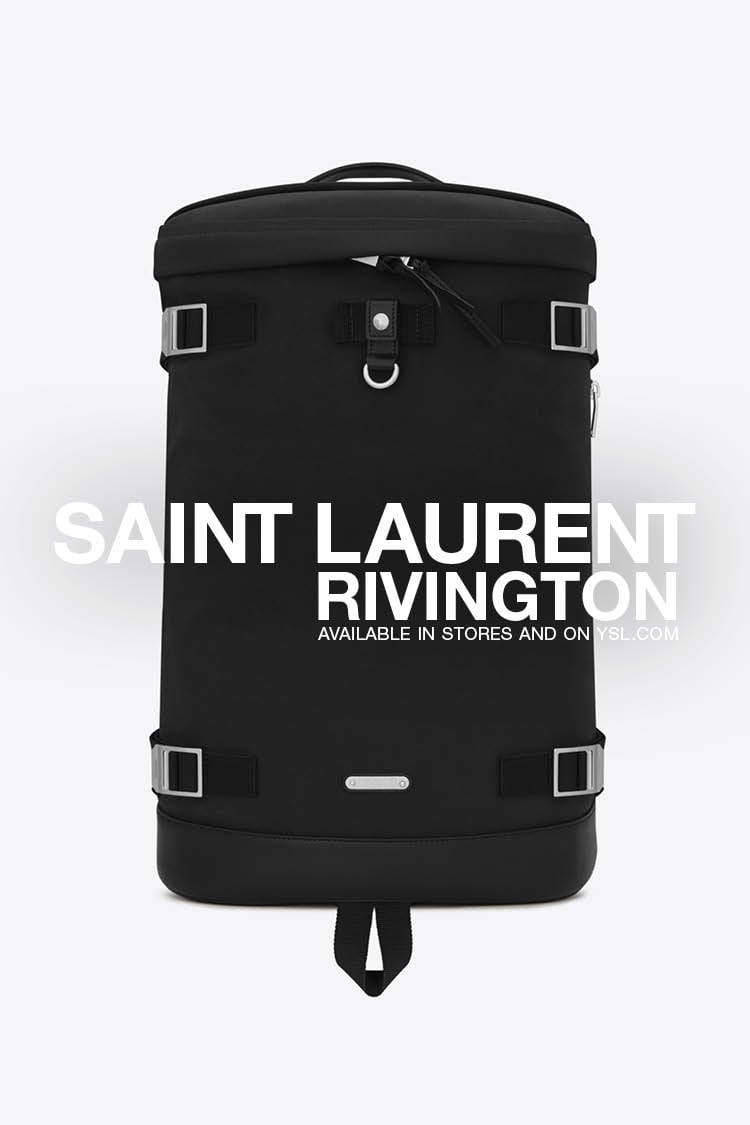
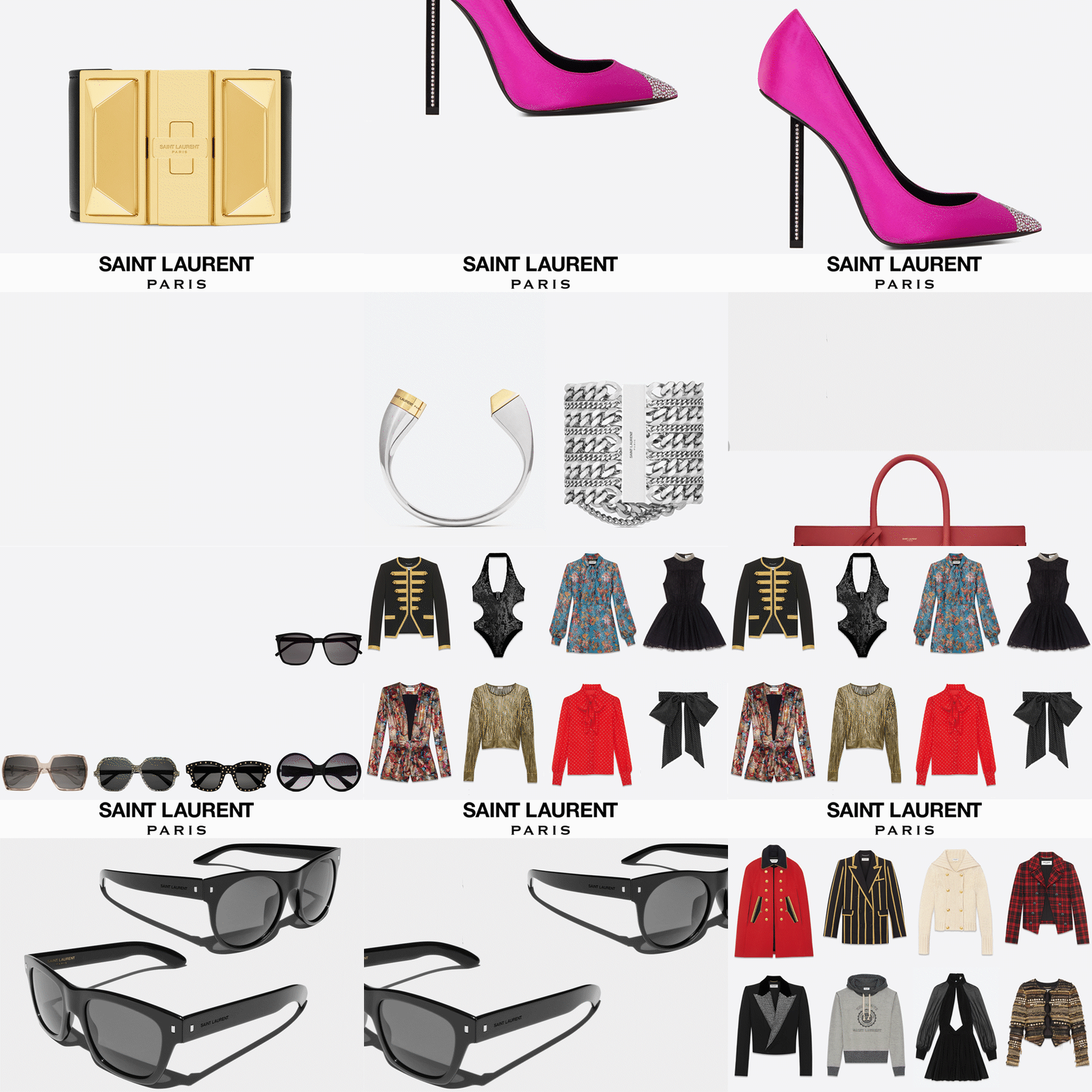
I worked for Saint Laurent for almost 15 years. By the end, which kind of ended during COVID — while Paris was shut down — they would send stuff to my house here in Ridgewood, New York. My wife shot the ready-to-wear, and I would shoot everything else. Anything you would see from Saint Laurent for almost 15 years was done by my wife and me.
 Rob:
Rob:
I love looking at your work because it's so different than what I shoot. When somebody calls you with a brief, where do you begin?
Rainer:
That's completely dependent on the client. My range is so wide. But maybe a couple of examples.
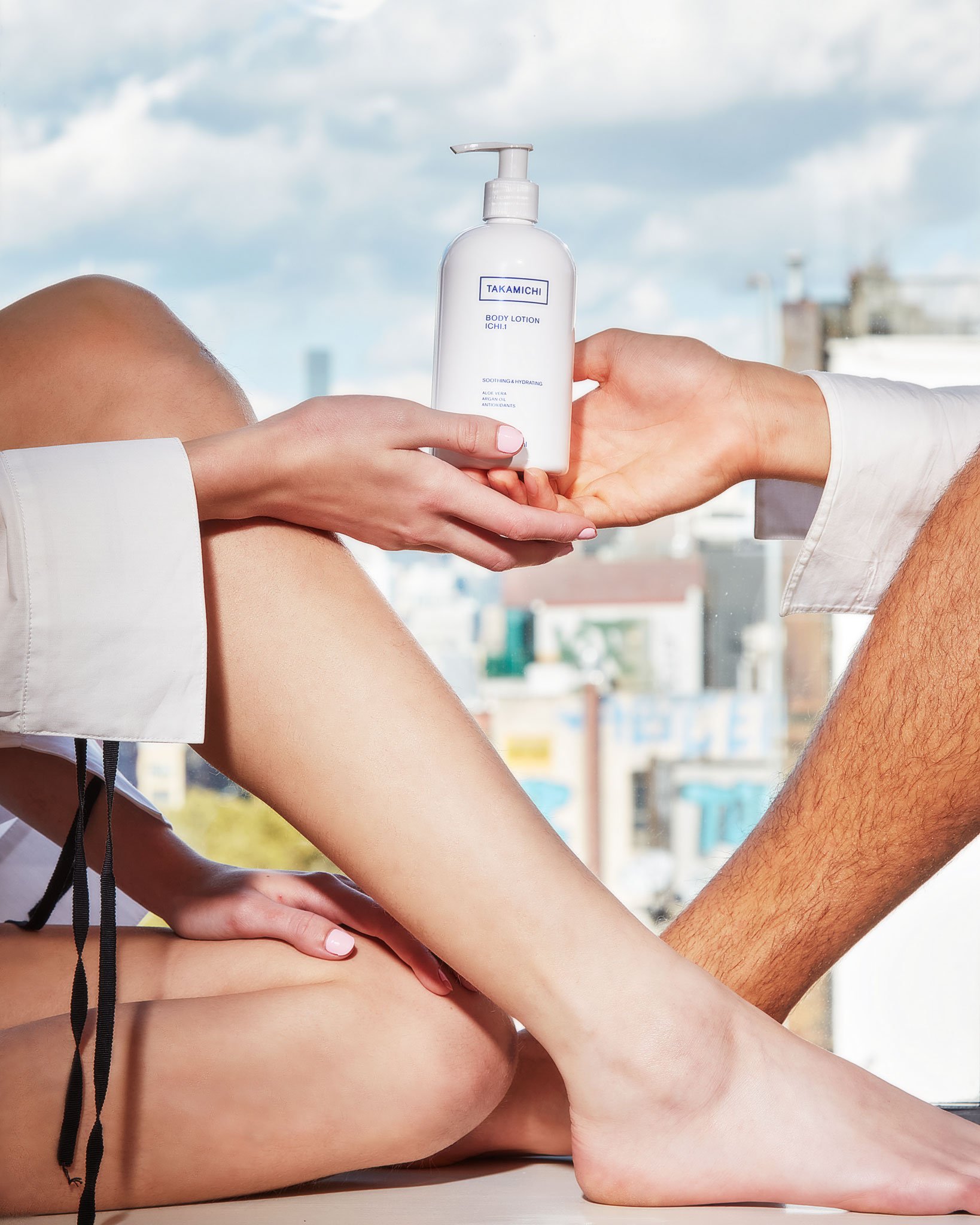
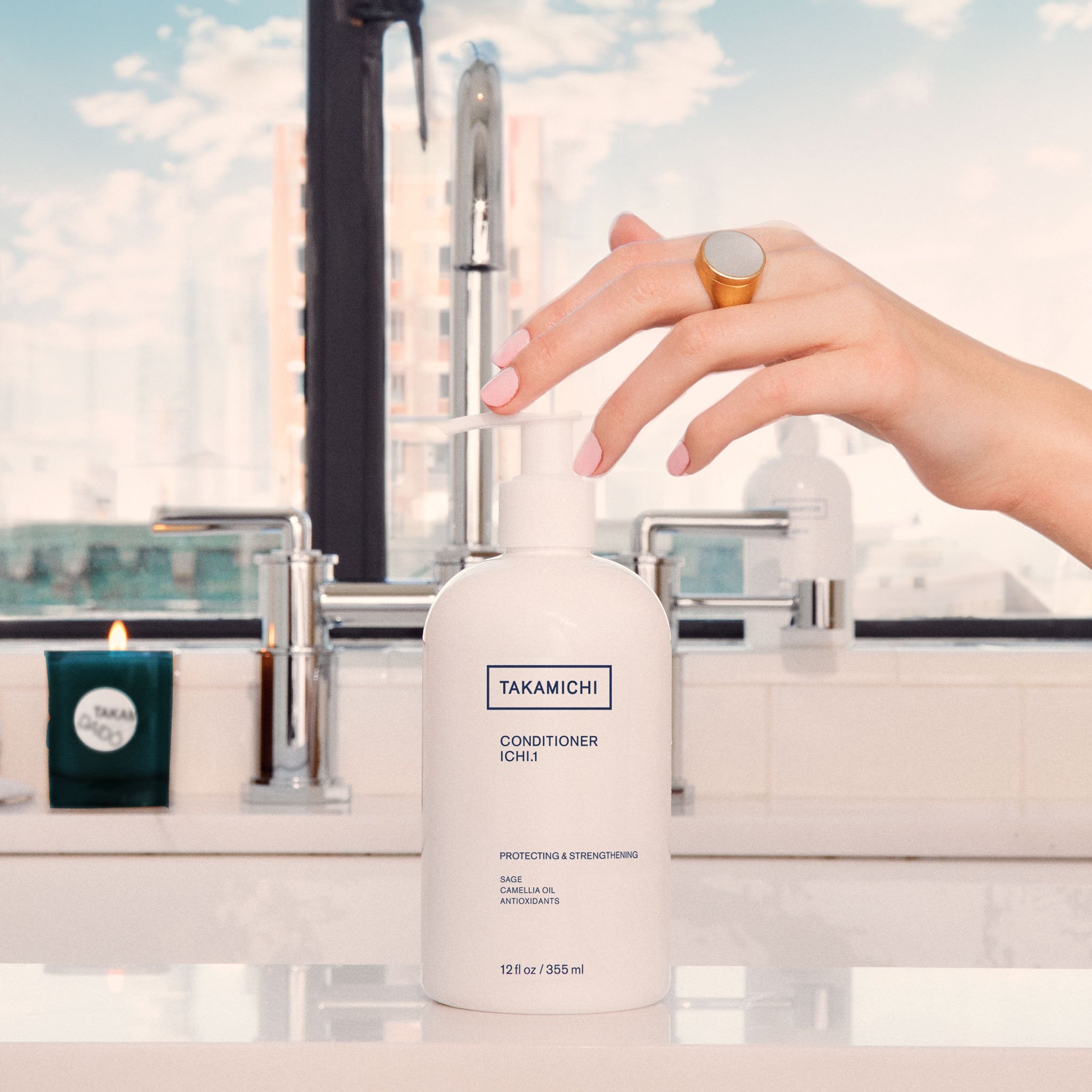
Take this shoot for Takamichi. That's a well-known hair salon in New York City, and they're friends of ours. They have a collaboration with a hotel on the Bowery in New York, where the hotel carries their product and they make specially-designed products for the hotel.
It was somewhat impromptu. We had a small crew packed into a hotel room — hair and makeup, the client. The hands on the left are actually my daughter's, and the hands on the right are the son of a friend. That shoot was when I started transitioning from strobes to LED lights, which is now my go-to. It turned out quite nice.
 Rainer:
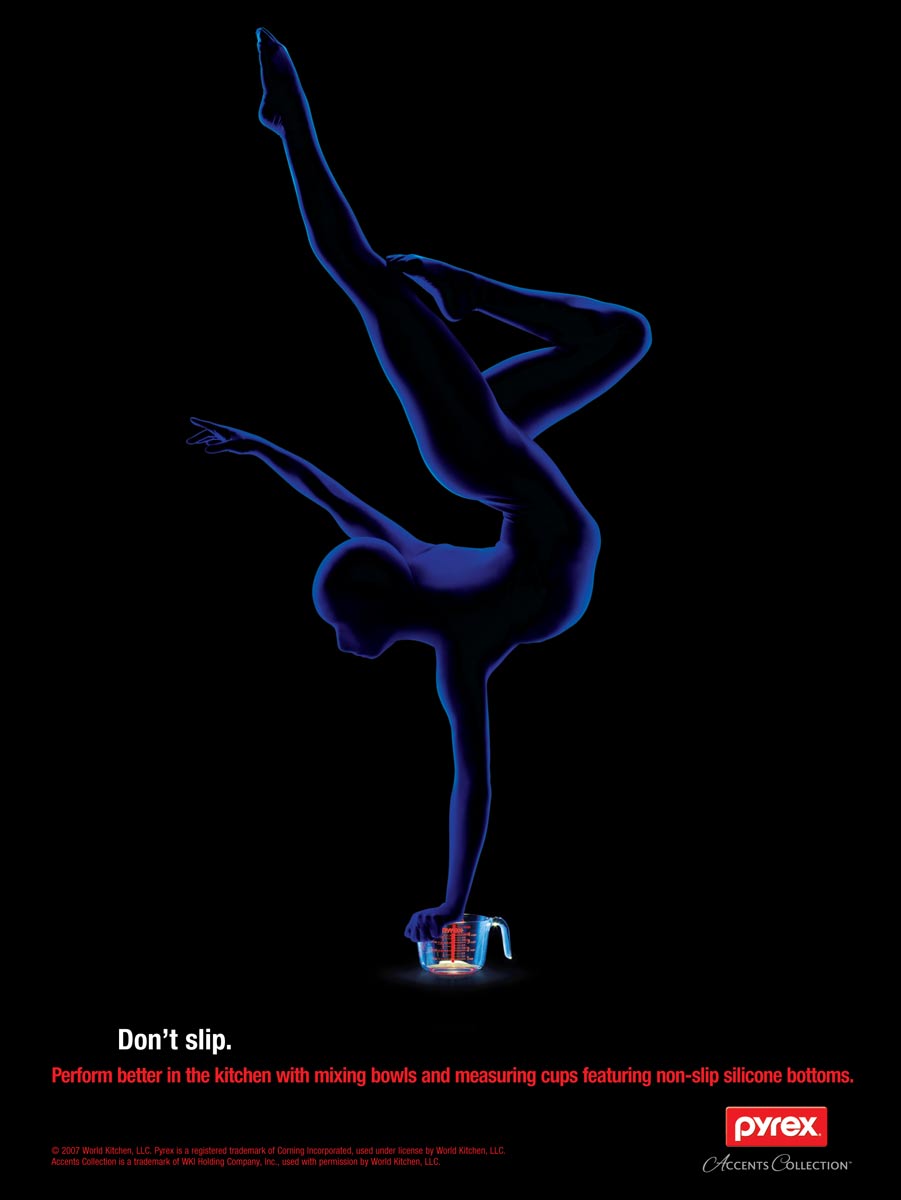
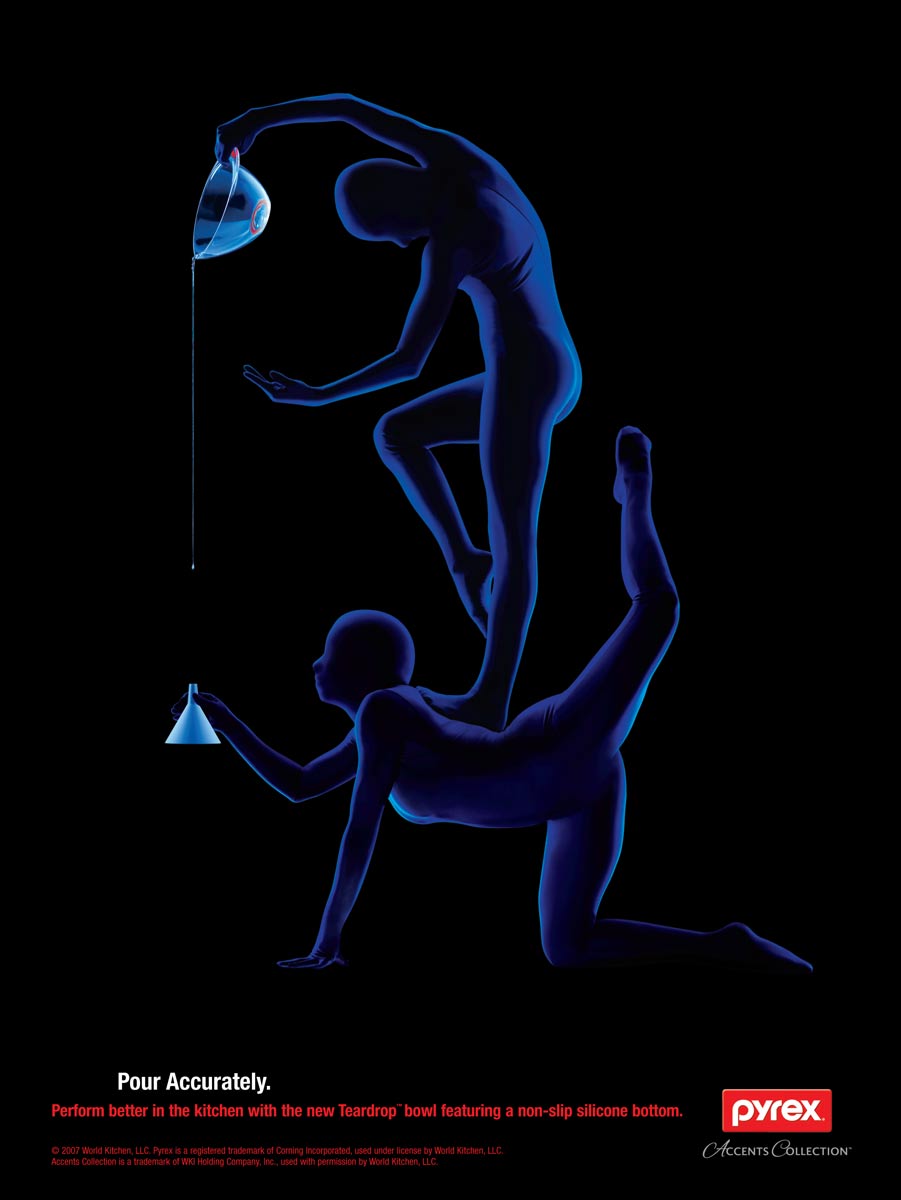
Another interesting example is the Pyrex shoot. An agency out of Minneapolis — the creative director had seen a picture of mine that I did for a magazine, a picture of cell phones. They were the folding kind, from that era. The phones were on black, and I'd come up with a really nice rim light. He thought, "That guy can do rim lights. I have this idea for Pyrex — let me hire him to shoot people with a rim light.” That never happens anymore.
So we got the layouts, and it was rather ambitious — what these people were supposed to be doing. But that's the advantage of being in New York. We put out a casting call, and we got the people you see there — all Cirque du Soleil performers.
 Rob:
Rob:
It has that vibe.
Rainer:
Yes. I put a fair amount of effort into pre-production. When you work with me, if there's a casting, I cast the models in the light I want to use on the shoot.
So I had these Cirque du Soleil performers — that woman balancing on the Pyrex dish, she did that at my studio on wooden blocks. She did it on wooden blocks at the real shoot, too — the final image is Photoshopped. It was incredible what these people could do with nothing. I basically got a Cirque du Soleil performance at my studio for free.
It was quite a project. I'm still proud of it.
 Rob:
Rob:
It seems like so much of your process is planning and problem solving.
Rainer:
That's all there is. The photo part is nothing. You have that day — the client is paying for the time of the models or performers — eight hours, and then it's done. But the casting, the custom suits we had made by a seamstress — it’s problem-solving from top to bottom. It is important — reassuring — to have done this, so I show up on set and things work. There's no doubt. It's a good thing and a bad thing, depending on how you look at it.
Now everybody thinks they can prompt their way to an advertising campaign.
 Rob:That’s a whole other conversation! Let’s talk about video, which I know is a big part of your practice.
Rainer:
My days now — the first thing I touch is my Sony video camera. It comes out before my Canon. That's just the default.
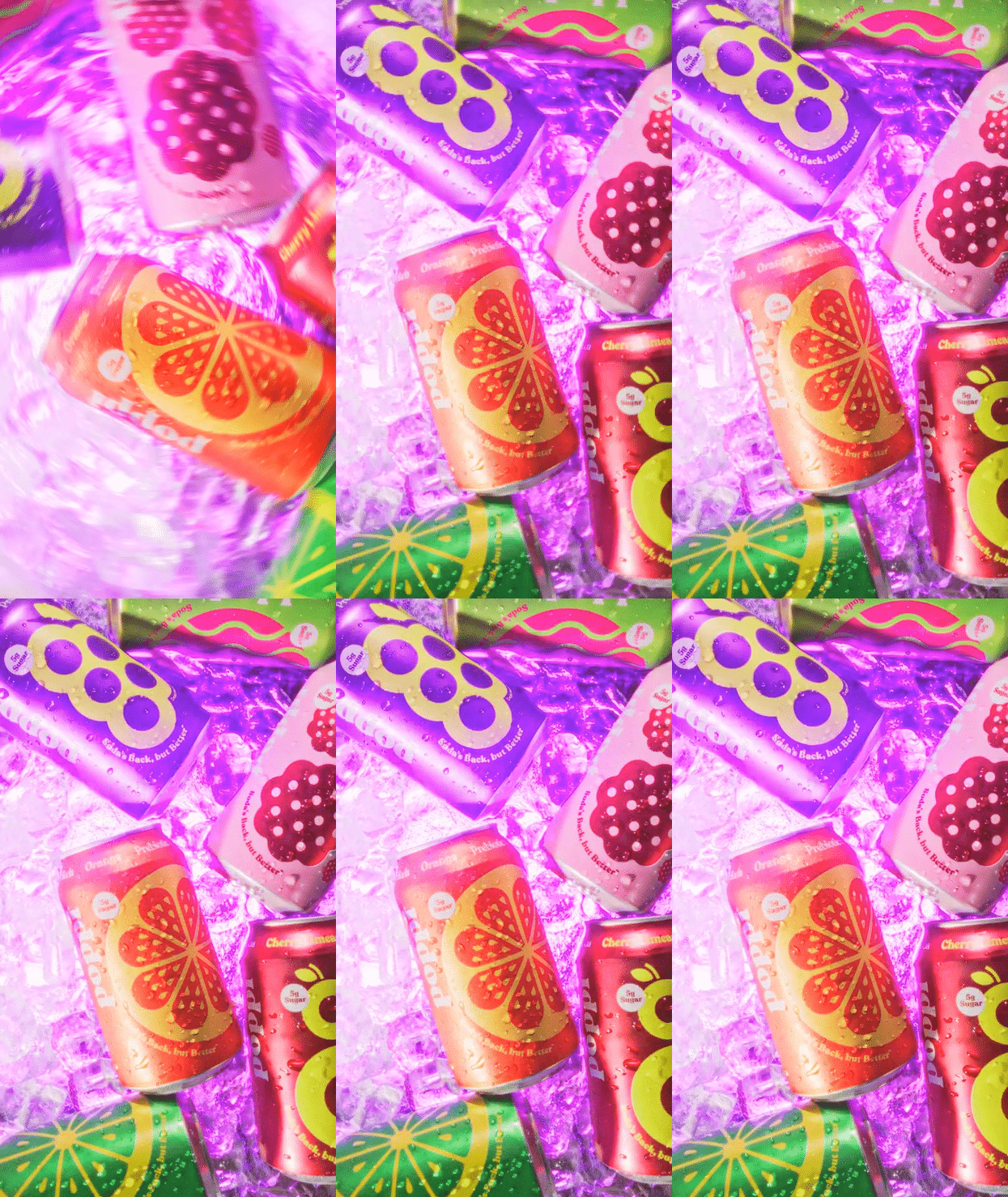
That's where we’re at. If you look at Instagram — I follow most of the cosmetic brands — your pictures are cute, but can you make them move?
 Rob:
Rob:
It almost makes no sense to have a still image on a screen. I say this as someone who loves the still image.
Rainer:
Everything is on the screen now. If you ride the subway in New York City, they're halfway done switching everything that used to be printed to screens. Everything on the subway is animated in some form — whether it's text or short videos. That's where it's at. No escaping it.
I started the whole video thing with the Canon 5D revolution, whenever that was. I was quite ambitious at the time. We had fashion clients here in New York — Jones New York, Nine West — and I tried to sell them on creating video content. In hindsight, I wasn't a director — I had no idea. I was just applying my lighting techniques to moving images.
Then during COVID, that's when I picked up the video thing again. And now it's my go-to. Thank God for YouTube. I'm on my third editor — started with Final Cut, switched to Premiere, and now I'm in DaVinci. They're all fairly complex software, and that's how I spend my spare time — on tutorials.
 Rob:
Rob:
You’ve been in the business a while and have seen a lot of changes. What do you still love about being a photographer?
Rainer:
This why I love photography, it does not stand still. Literally not one boring day. So much more to learn. Now we are learning from our kids that are born with phones/cameras in their hands.
Rob:
It's been great talking to you. Where can people find you online?
Rainer:
My pleasure.
thebehrens.nyc
instagram.com/rainerbehrens/
Tags
Comments (0)
No comments yet.
Sign in to join the conversation.