
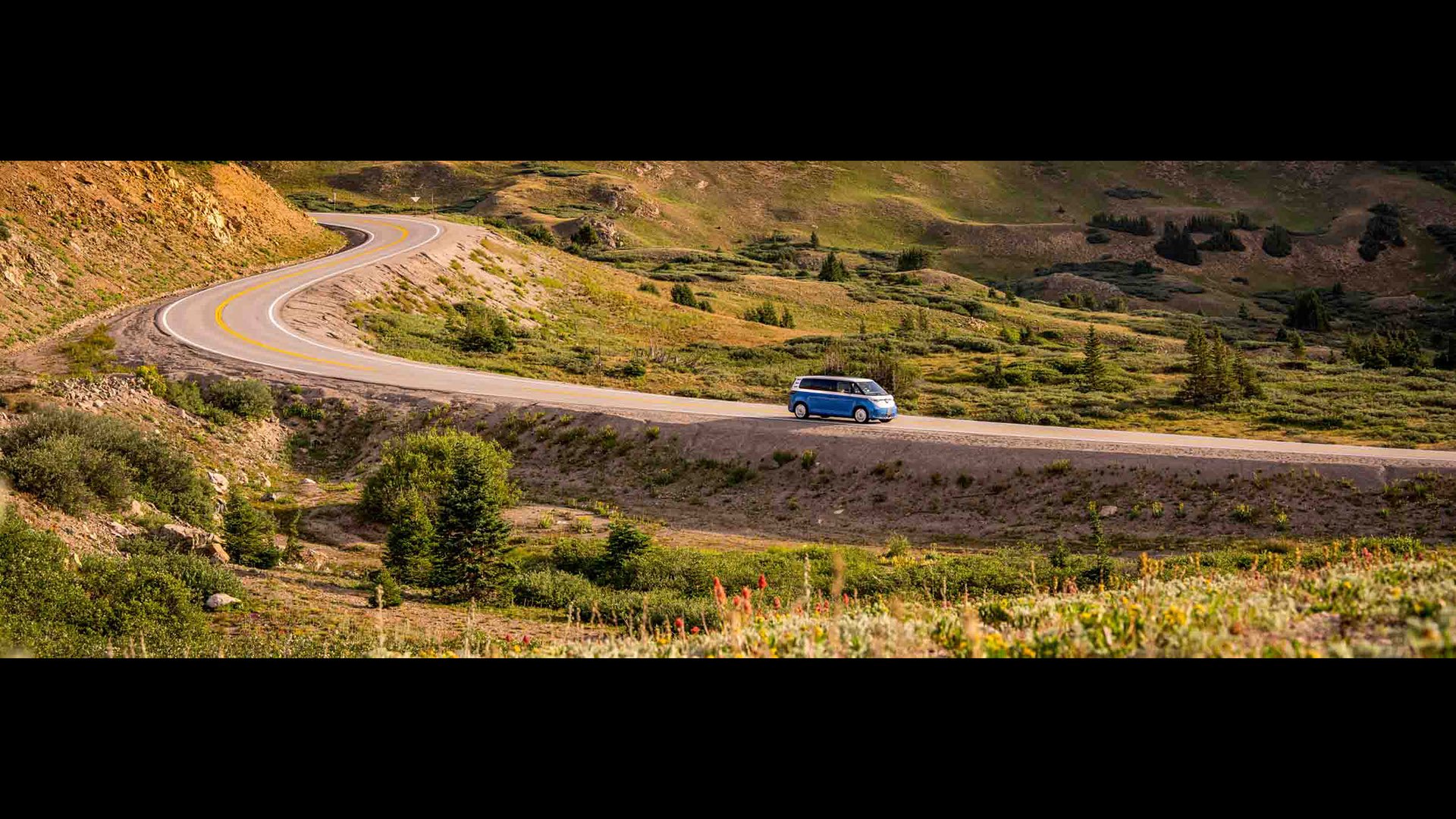
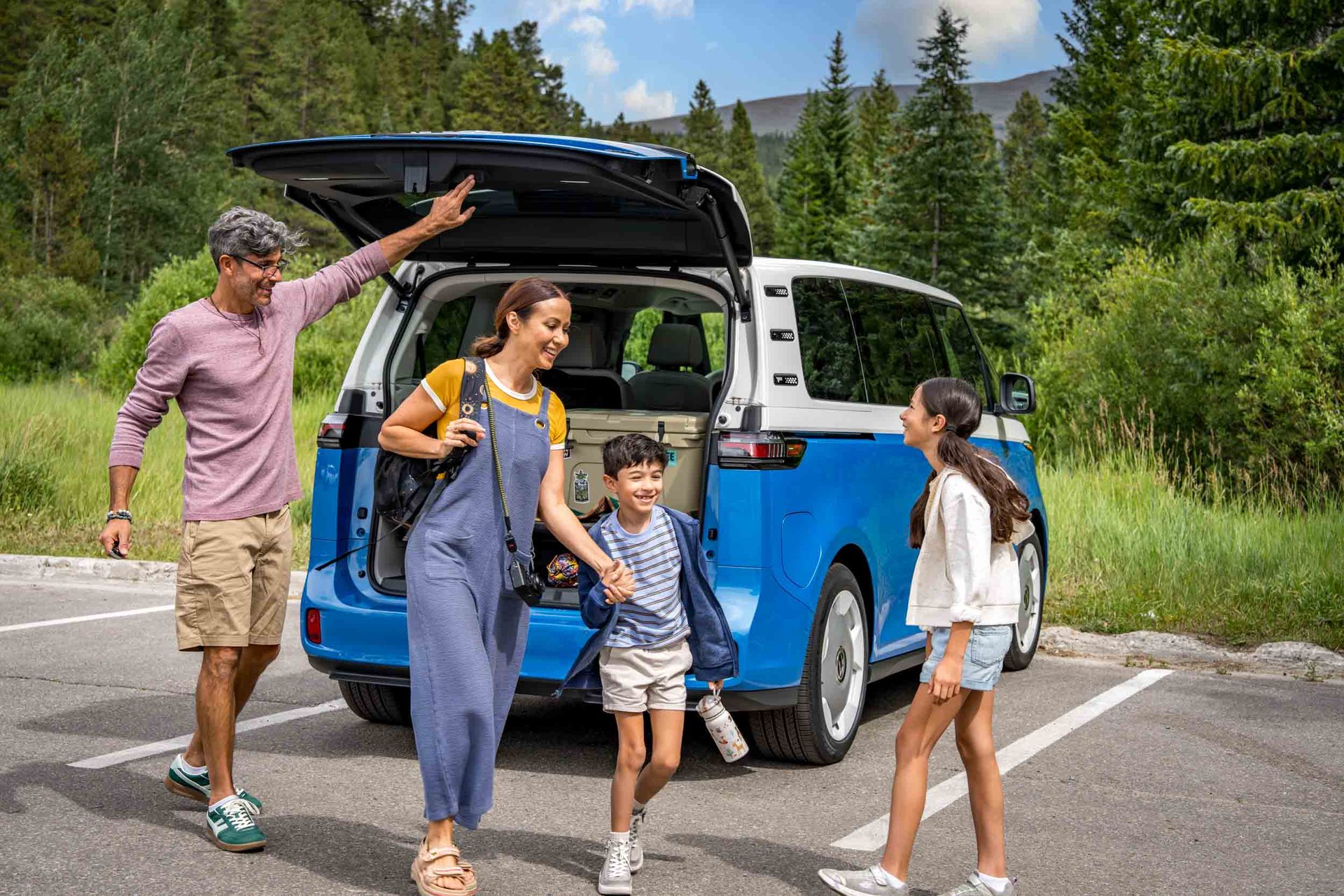
It was our creative, 100%. We didn't have any buckets that we had to fill for anybody other than ourselves.
Rob: I love these pictures you sent of the roadtrip in Colorado. Tell me about your process on this shoot.
Inti: Some of it has to do with my upbringing in photography. When I first started, I worked at a studio as a producer and studio manager. I knew that I wanted to be a photographer, but I also knew that I wasn't going to make money out of the gate, and I needed to learn. The photographer who hired me was transitioning out of commercial work because he could make so much more money in stock photography. I started producing shoots for him.
This was in the early 2000s. Back then, getting a contract with Getty Images was like a golden ticket. They would help you concept shoots. They would send a creative director from Getty on the shoot with you and tell you what they needed. We were shooting film, and you'd send them the film, and they would edit it, scan it, do all the work. It was crazy. It was awesome.
I started producing content on my own on the weekends and evenings to build my own portfolio. When I started shooting, I was making six figures in stock photography, which is bananas, because now I make like $100 off Getty a month.
Then, there was that major recession in 2009, and iStock was introduced, and anybody in the world with an email address could get a contract and start submitting images. Everything changed. The price point plummeted, and the market was flooded with content. For those of us who were making a lot of money, our incomes dropped by 70% in a year.
I was like, oh, I guess I have to become a business person. I have to figure out how to market myself and do this in a different way.
I still love self-production. I don't do production on my commercial jobs anymore because I just can't—I have to hire a producer. But when I have the opportunity, I’ll produce a shoot for myself that fills a hole in my portfolio.
Rob: Tell me about working with Drew Bennett, the DP on this project.
Inti: I've worked with Drew a lot on commercial jobs over the years. We had a project in Colorado, and I was like, “Hey, I have this idea, do you want to partner with me after our shoot and just self-produce some things?” And he said yes, absolutely.
The nice thing about Drew and I is that we have history working together.
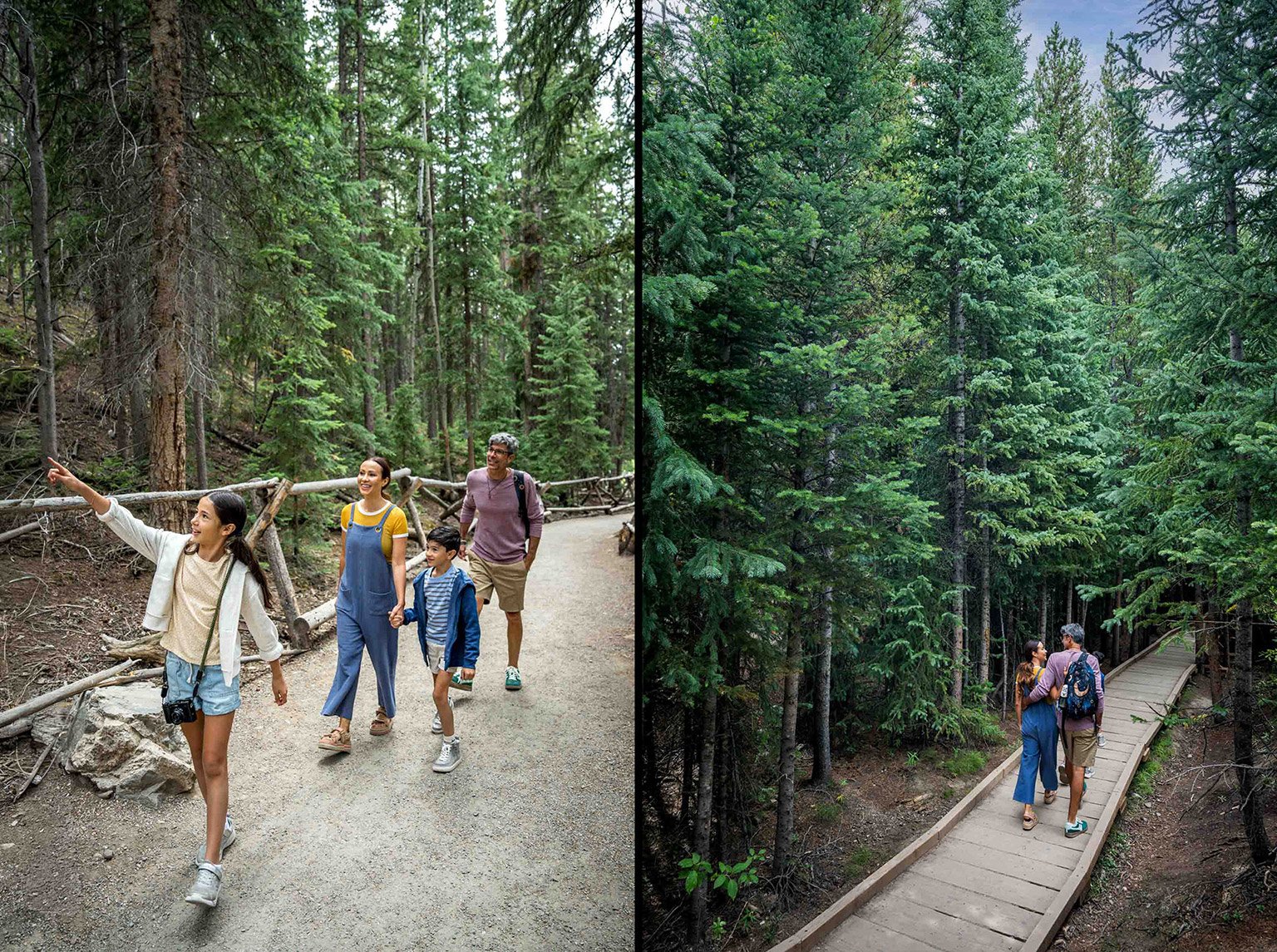
 Inti: We were like, let's do a family road trip. We both love shooting lifestyle stuff. I wanted to have some car content in my portfolio because I don't have any, and I really don't want to be a car photographer, but there is so much lifestyle opportunity in the automotive world. That felt like a hole in my portfolio.
We had enough conversation going into it that we were really clear about what our goals were and what we wanted to accomplish.
We're also just really good communicators. During a shoot, I’ll be like, “Hey, I want to do this next. Are you good? Did you get what you need?” Sometimes I would step aside and let him get in where I was, and vice versa.
Being communicative the whole time and having our intentions set at the beginning makes such a huge difference. Neither one of us have egos. We're in it together to get something great.
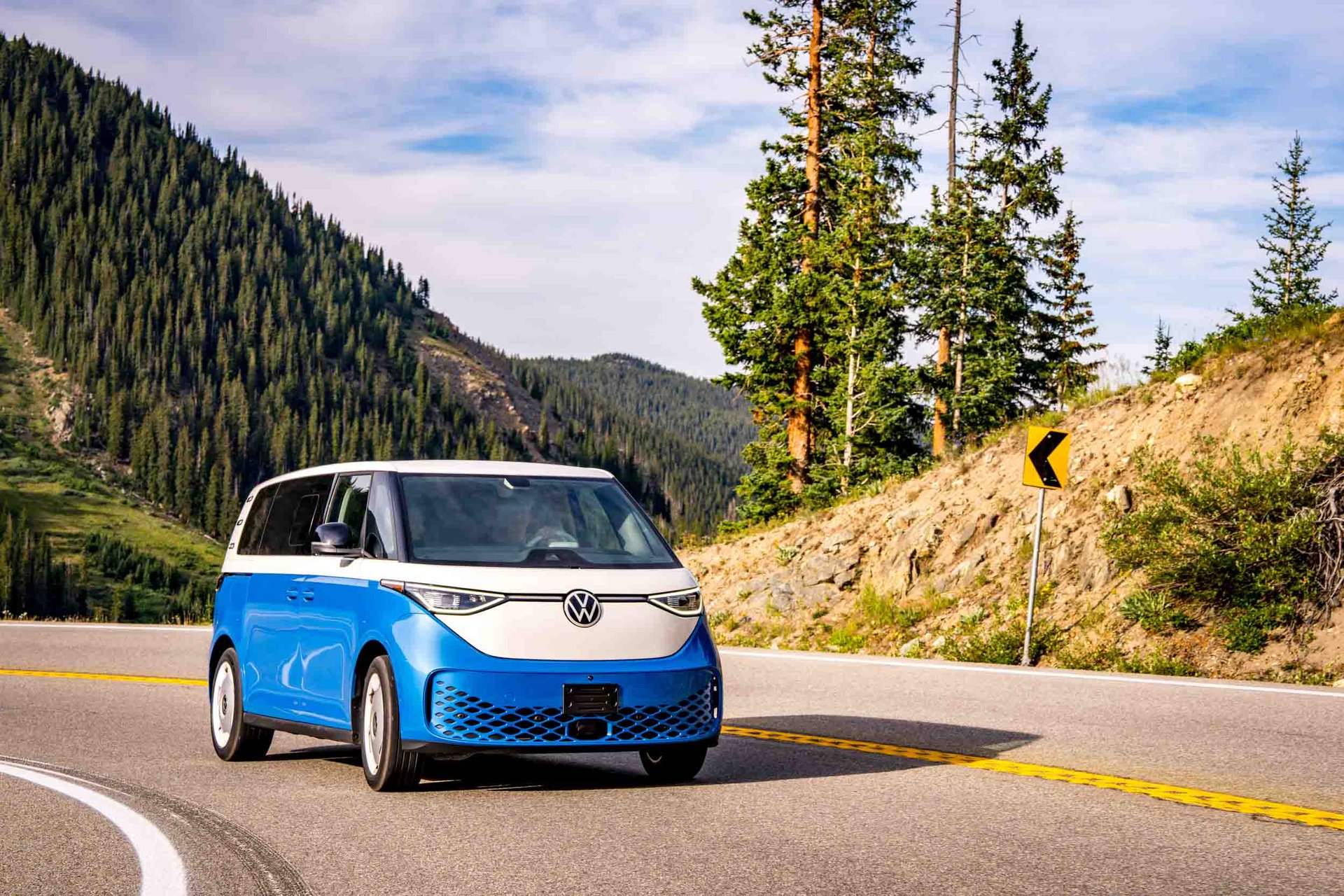
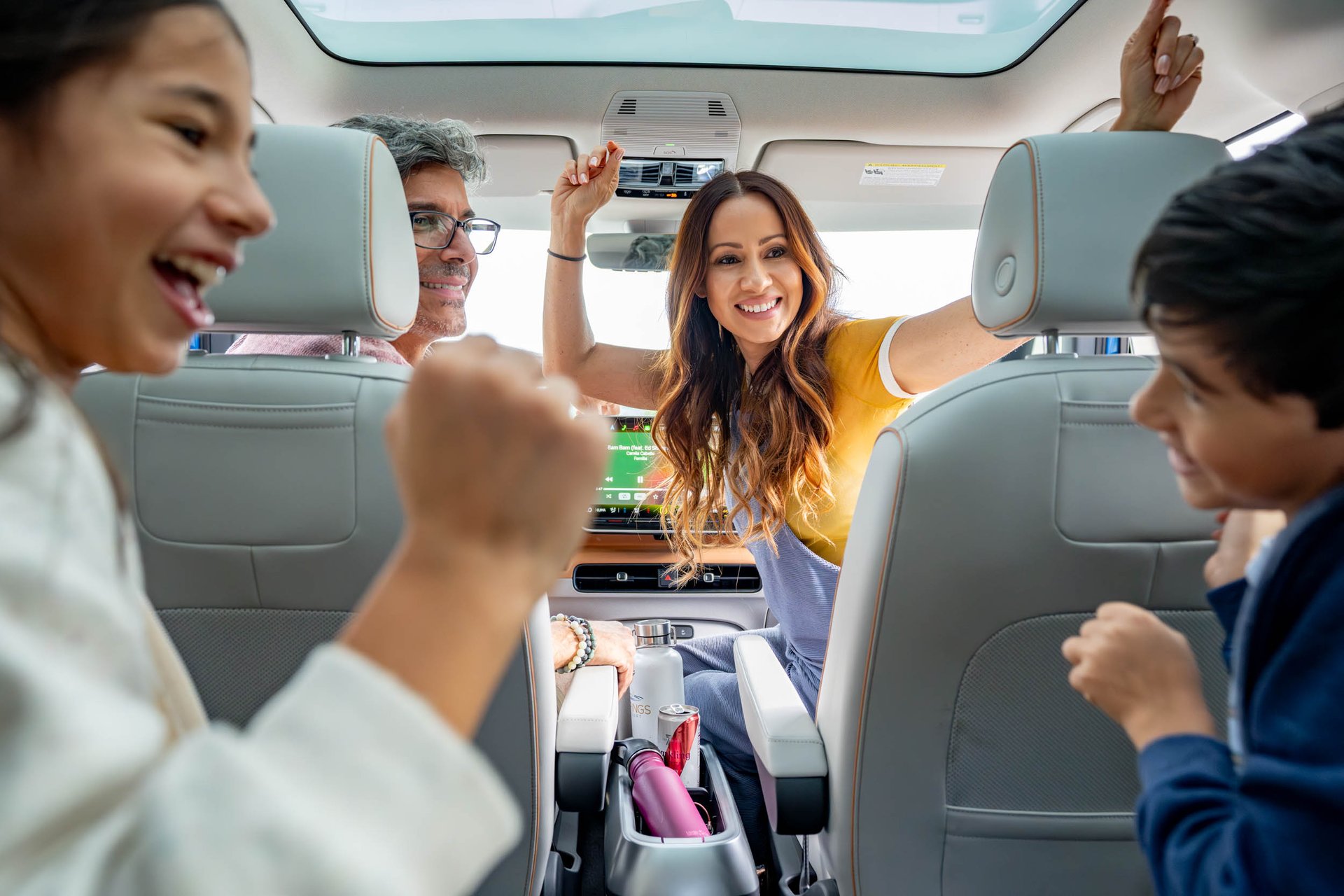
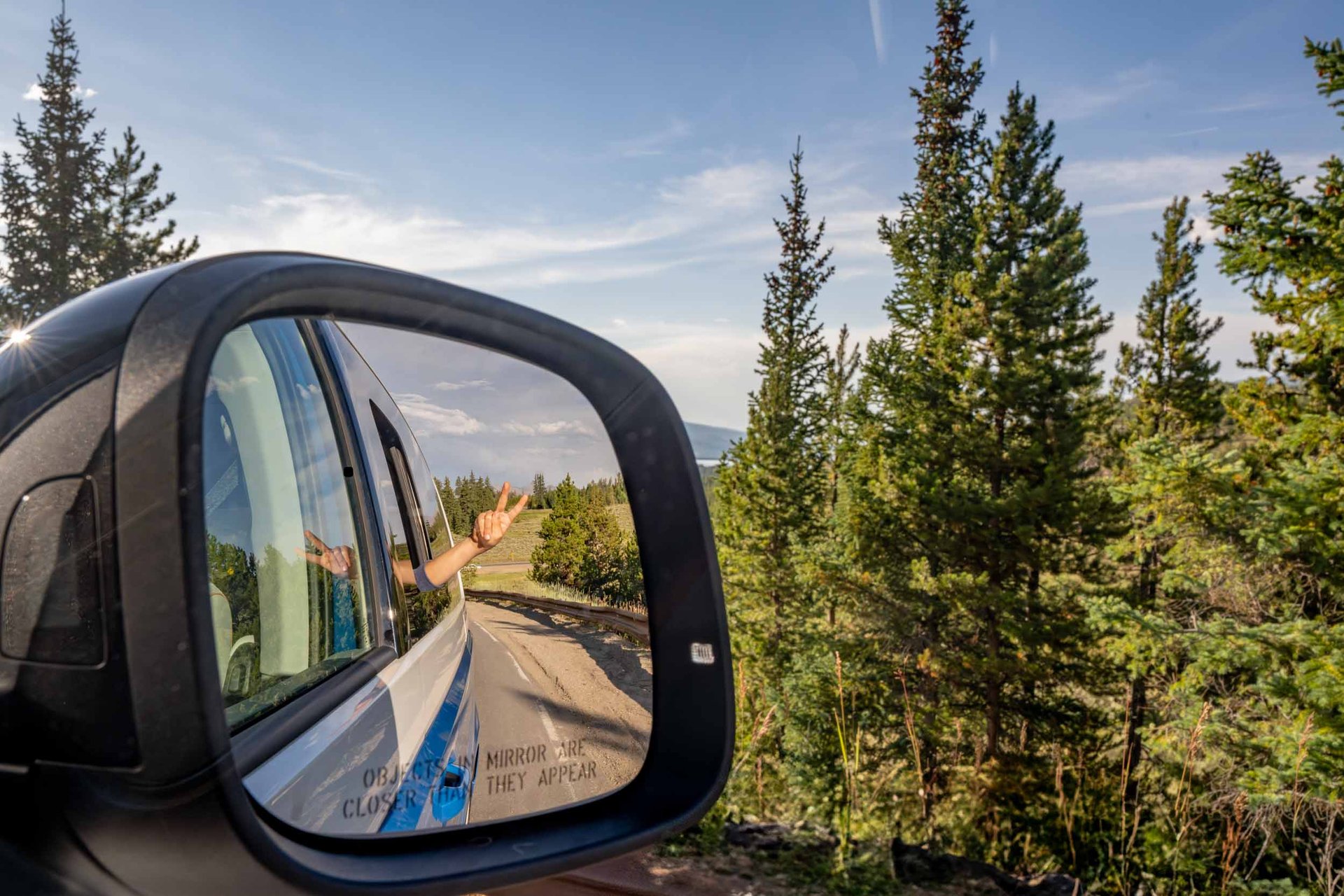
 Rob: There's everything here—interior, exterior, charging, hiking, paddling, tight portraiture, landscape. How did you cover so much?
Inti: We did it in four hours, because the talent was agency talent, and they were really expensive. We were like, okay, we're just gonna find the locations that are close enough. Honestly, we spent about an hour and a half just driving because we were traveling between places. I work fast.
Rob: Wow, that’s incredible! Ok, so tell me about the family.
Inti: We knew we wanted older kids because we wanted the story to really be centered around the kids. I work on a lot of jobs with non-agency talent, and for a lot less money we could find families with younger kids, but none of them fit our vision. So we ended up spending the money to get agency talent.
We hired this family, and we wrote a script, and we scouted locations. We asked if the little girl could do the voiceover, and she was super excited. She was great.
The dealership lent us the car when we told them what we were gonna do. They were like, “Amazing, here's a car.” They just gave it to us for free because we showed them our work and said “We'll give you some content.”
 Rob: What was your process for handling locations?
Inti: We both did a ton of scouting online, including scouting for chargers. You can go to ChargePoint and find out where their chargers are, and then we used Google Maps to look and see if there was a charger that actually had a pretty location for shooting lifestyle nearby. Finding that charging station was kind of the hardest part, to be honest.
We didn't have to permit any of our locations, which was great. We tried to permit, and we would have if we needed to, but the really iconic vistas—those places we would have had to permit—were so crowded, we opted to not shoot there.
The Troll was the most touristed spot that we went to, and it definitely took us the most time because we were like, “No, no, no, go take your family portrait, we're good!”
Drew also did an amazing job of driving around and finding spots that were reasonably close to one another and not heavily touristed. So we could really have that magic of feeling like you're out there on your own with the family.
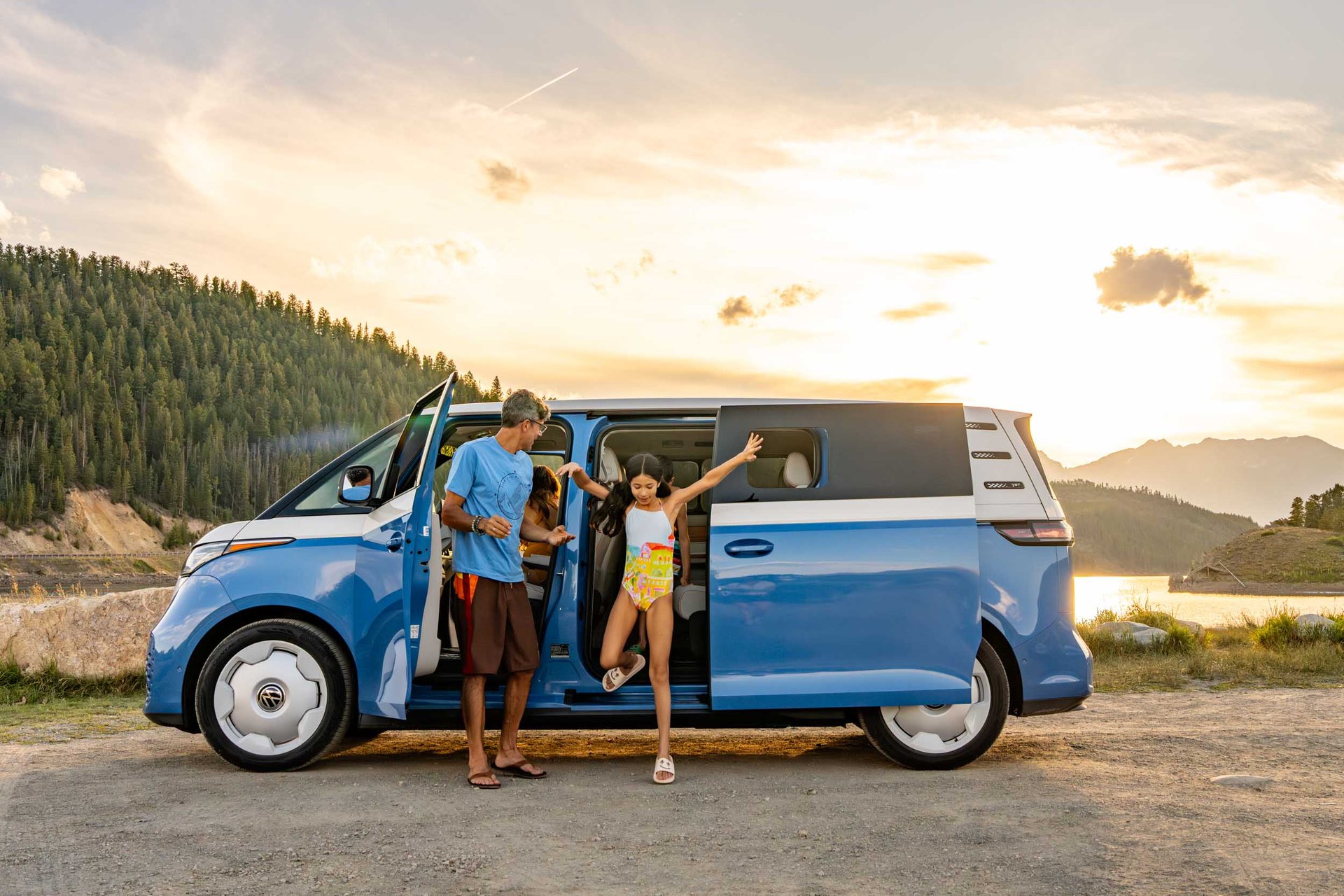
 Rob: I looked at the stills first, and then I watched the motion piece. They pair so nicely, but they also stand on their own. How did you achieve that?
Inti: There's something to be said for the stripped-down approach, us just doing our thing, and not having a big crew. We had the luxury, frankly, of not having a client. Not that I don't love working with clients! But it was our creative, 100%. We didn't have any buckets that we had to fill for anybody other than ourselves.
 Rob: What did you learn? What were the results? What are some things you'd move into the next production, whether it's for yourself or for a client?
Inti: I think the takeaway is the reinforcement that shooting spec work and shooting for yourself is always important. Making the time for that is super necessary. It can be easy to forget that, and then a year goes by, and you're like, oh, I didn't do a test shoot. It was a really good reminder for me.
I love moments, and I love connection, and I love people. I kept going, oh, I’m supposed to shoot the car—shoot the car. I had to keep reminding myself because I would just be like…do I just shoot the gear shift? I don't know. So pushing oneself into doing things that aren't comfortable is also important. This was a good reminder of that, too.
I still leave every shoot, whether it's a spec shoot or a client job going, oh, I should have done that, damn it, why didn't I create that? And I think that that's normal and healthy and fine. It’s always a process, and I think what I love about this industry is that the opportunity to learn is always there. And I love that. I love the challenge of constantly learning.
Rob: Thanks for your time! Where can people find you?
Inti:
intistclair.com
instagram.com/intistclair
homesteadcreatives.com
Tags
Comments (0)
No comments yet.
Sign in to join the conversation.