
Part of being a professional creative is sharing work online. In the AI era, that sharing opens us up to having our work used as training data for AI image generators.
There are three defensive measures that all creatives should take in 2026. We will try to keep this list updated as the landscape changes.
TL;DR
Request contracts that exclude third party and AI training language.
Host your website on a reputable platform that includes a robot.txt file to prevent image scraping.
Leave Instagram. Stop posting your work on social media and share your work on Daybreak instead.
Contracts
There has been a ton of talk in the photo community about the recent WSJ contract, which includes work-made-for-hire, third party rights, and AI training language. These outlets would not require a Magnum photographer or Annie Leibovitz to sign such garbage, which means they have a less egregious contract on hand. Ask for it.
I personally don’t agree with the approach many have taken of angrily emailing the photo editors at offending publications. Photo editors are on our side. They want us to succeed in art and business so they can keep hiring us to make great work for them. These contracts were written by corporate lawyers, so give the photo editors a break.
Websites
Most website hosting companies automatically include a robots.txt file that prevents image scraping by bots. Here are links where you can check on the AI policies of some of the major website hosting companies:
Photofolio - https://photofolio.zendesk.com/hc/en-us/articles/20574432624411-Artificial-Intelligence-And-PhotoFolio-Websites
Squarespace - https://support.squarespace.com/hc/en-us/articles/360022347072-Request-that-AI-models-exclude-your-site
Wix - https://support.wix.com/en/article/blocking-ai-crawlers-from-your-site
Wordpress - https://wordpress.com/support/privacy-settings/make-your-website-public/
Some of these links have not been updated in one to two years. If you have questions about how your host handles AI scraping, contact them directly and let them know that anti-scraping tools are important to you.
Social Media
Stop posting on Instagram. I realize how absurd it is to even suggest this, since Instagram has been central to creatives’ lives for over a decade. But if you’re serious about protecting your work, you have to drop Instagram. I asked Gemini to break down Meta's current terms of service:
1. The License Grant (Terms of Service)
This is the core legal "permission" you give them when you click "I Accept" or simply use the app. Under the "Permissions you give us" section of the Instagram Terms of Use:
"You grant us a non-exclusive, royalty-free, transferable, sub-licensable, worldwide license to host, use, distribute, modify, run, copy, publicly perform or display, translate, and create derivative works of your content (consistent with your privacy and application settings)."
The "Direct" Interpretation for Artists:
Sub-licensable: This allows Meta to grant other companies (including AI developers or corporate partners) the right to use your photos.
Derivative Works: This is the legal "hook" for AI. A model trained on your style creates "derivative works" based on your data.
Transferable: If Meta sells a specific AI model trained on your data, the license to your data moves to the buyer.
2. AI Training Specifics (Privacy Policy)
Meta’s Privacy Policy (updated as recently as March 27, 2026) contains a dedicated section titled "How we use information for generative AI models."
Public Content: Meta explicitly states they use "publicly shared posts from Instagram and Facebook — including photos, captions, and comments — to train generative AI models."
Exclusion of Private Data: Their current policy states: "We do not use the content of your private messages with friends and family to train our AIs."
The "Shared with AI" Loophole: A 2026 update added a crucial caveat: if you interact with an AI (like "Meta AI" in a chat) and share a message or image with it, that interaction and content can be used for training, even if the chat itself was private.
3. The "Right to Object" (EU vs. US)
The agreement is not uniform globally. The "Direct Data" on your ability to say "No" depends on your location:
In the European Union/UK: Due to GDPR, Meta includes a "Right to Object" link in the Privacy Center.Legally, they must process these objections if you cite "legitimate interests."
In the United States and most other regions: There is no "Right to Object" built into the Terms of Service for standard users. By using the service, you are deemed to have consented to the AI training provisions.
Join Daybreak and Support by Upgrading to Premium
We started Daybreak to give professional creatives a place to share their work off social media. It's free to join and if you want to support the development of the site, upgrade to premium. We realize that Daybreak doesn't yet offer the features or polish or even the audience that Instagram and others do. But we believe there should be an alternative to the way things have been, and we are building a new home that is for creatives and for creatives. Join us, and if you're already a member, Upgrade to Premium.
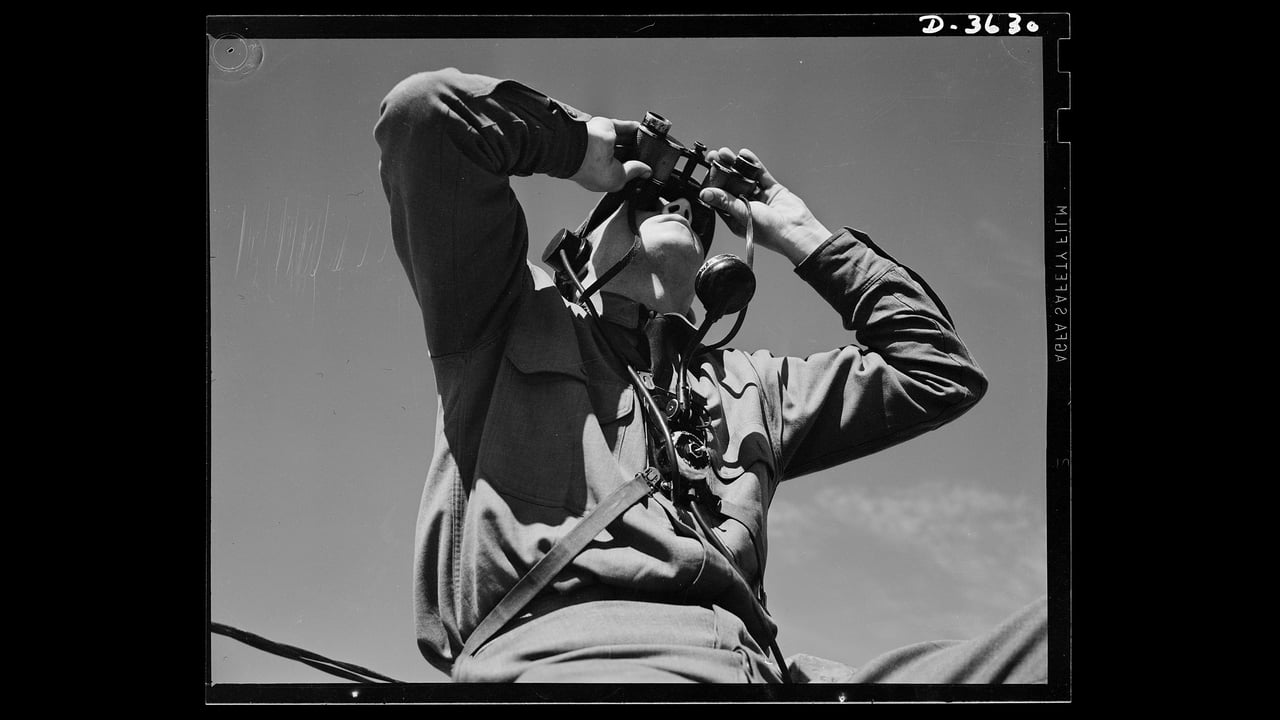
(Image by Alfred T. Palmer, March 1942, Safety Negative, from the Library of Congress, "Fort Story coast defense. An airplane spotter on duty at Fort Story, Virginia")
Comments (0)
No comments yet.
Sign in to join the conversation.